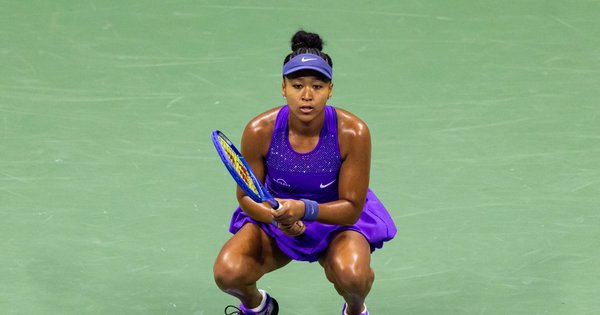
Avant Wimbledon 2026, le bilan de Naomi Osaka sur gazon tenait en deux chiffres accablants : 0-13 face au top 10 sur surface non dure, et aucun quart de finale à Londres en six participations. Deux semaines plus tard, la Japonaise a terrassé la numéro un mondiale Aryna Sabalenka et dispute les quarts de finale face à Karolina Muchova. Retour sur une métamorphose.
Toutes nos analyses du jour, gratuitement
Créez votre compte gratuit pour accéder aux analyses du jour.
Le tournant remonte à la saison sur terre battue. Éliminée trois fois par Sabalenka en 2026 (Indian Wells, Madrid, Roland-Garros), Osaka a tiré des leçons précises de chaque défaite. À Madrid, elle avait compris que ses frappes à plat, neutralisées par la lenteur de la terre, devenaient des armes redoutables sur une surface rapide. Son entraîneur, Wim Fissette, a alors restructuré sa préparation gazon autour d'un principe simple : utiliser la vitesse naturelle de la balle sur herbe pour amplifier la puissance de ses coups.
Les chiffres de sa victoire contre Sabalenka parlent d'eux-mêmes. 87 % de premières balles en jeu contre 69 % pour la Biélorusse. 8 aces contre 5. 21 coups gagnants contre 15. Et surtout, deux seules balles de break concédées dans tout le match, les deux sauvées. En une heure vingt-huit minutes, Osaka a livré le match le plus abouti de sa saison, peut-être de ses trois dernières années.
La chaleur a joué un rôle discret mais décisif. Les 28 degrés, température record du tournoi, ont accéléré la balle dans l'air, amplifiant l'effet des frappes à plat d'Osaka et réduisant le temps de réaction de Sabalenka. La Japonaise a exploité ces conditions avec une intelligence tactique remarquable.
Ce succès brise une série qui semblait insurmontable. La dernière victoire d'Osaka face à un top 10 hors dur remontait à... jamais. 0-13 avant ce match. Sa dernière victoire face à une numéro un mondiale datait de 2019, contre Ashleigh Barty à Pékin. Contre Sabalenka, elle n'avait plus gagné depuis l'US Open 2018, soit huit ans. Des statistiques qui donnent la mesure de l'exploit réalisé sur le Centre Court.
Le parcours d'Osaka à Wimbledon révèle aussi une évolution mentale. Après sa pause pour raisons de santé mentale en 2021 et son congé maternité en 2023-2024, la quadruple championne de Grand Chelem semblait avoir perdu la capacité à gérer les moments de tension dans les grands tournois. À Wimbledon, elle a montré l'inverse. Face à Sabalenka, elle n'a jamais vacillé, gardant un calme olympien même dans le tie-break du deuxième set. "Cela fait longtemps que je n'avais pas pris autant de plaisir sur un court. Et le faire ici, ça compte énormément", a-t-elle confié après la rencontre.
Sabalenka elle-même a reconnu l'évidence : "Elle m'a surclassée. J'ai eu le sentiment qu'elle jouait à un niveau incroyable." Un aveu rare de la part d'une joueuse qui n'avait plus perdu un match en deux sets dans un Grand Chelem depuis 121 rencontres, et qui enchaînait 14 majeurs consécutifs avec au minimum un quart de finale.
La question qui se pose désormais : cette version d'Osaka peut-elle aller au bout ? Son quart de finale contre Muchova, joueuse au répertoire tactique varié entre amortis et montées au filet, constituera un test différent. Mais une chose est certaine : la Japonaise a prouvé que sa puissance, longtemps considérée comme un atout exclusivement réservé au dur, peut aussi faire des ravages sur le gazon de Wimbledon.