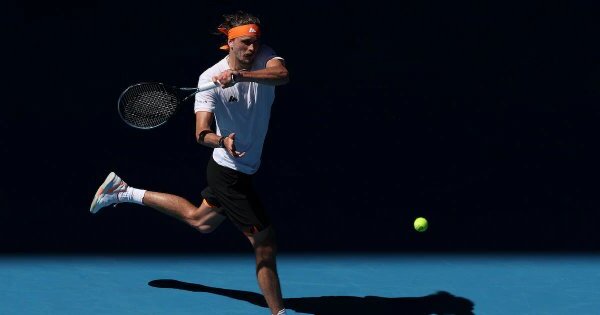
Pendant six ans, Alexander Zverev a porté l'étiquette du joueur qui ne savait pas gagner les grands matchs. Ce dimanche à Roland-Garros, l'Allemand a définitivement arraché cette étiquette.
Toutes nos analyses du jour, gratuitement
Créez votre compte gratuit pour accéder aux analyses du jour.
Le parcours est édifiant. En 2020, à l'US Open, il mène deux sets à zéro contre Dominic Thiem et s'effondre dans un cinquième set douloureux. En 2024, sur cette même terre parisienne, il tient Alcaraz à sa merci avec deux sets à un avant de voir l'Espagnol renverser la situation. En janvier 2025, Sinner le balaie en finale de l'Open d'Australie sans lui laisser le moindre espoir.
Trois scénarios différents, un même dénouement : la défaite au moment de conclure. Le tennis regorge de ces joueurs brillants qui n'ont jamais su franchir la dernière marche. Ivan Lendl avait perdu ses quatre premières finales majeures avant de remporter Roland-Garros 1984. Zverev, lui, a attendu sa quatrième tentative.
Qu'est-ce qui a changé à Paris en 2026 ? D'abord, la gestion du momentum adverse. Quand Cobolli remporte le tie-break du quatrième set pour égaliser à deux manches partout, le spectre des effondrements passés plane sur le Chatrier. Mais Zverev ne tremble pas. Il sort du court trente secondes, revient avec un regard neuf et déroule un cinquième set autoritaire : 6-1, sans concéder une seule balle de break.
Ensuite, la première balle. Avec 83% de points gagnés sur premier service dans la manche décisive, Zverev a éteint toute velléité de son adversaire. Ce n'est pas du talent brut, c'est de la maîtrise sous pression, la compétence qui lui manquait précisément.
Enfin, le contexte a joué en sa faveur. Face à Cobolli, 23 ans et novice à ce niveau, Zverev était pour la première fois le favori incontesté d'une finale majeure. Il a su assumer ce statut sans se laisser piéger par la pression du favori, un exercice qui avait paralysé bien des champions en devenir.
À 29 ans, Zverev rejoint Boris Becker et Michael Stich au panthéon du tennis allemand. Plus encore, il entre dans le club des joueurs ayant combiné or olympique et titre du Grand Chelem, aux côtés de Rafael Nadal et Andre Agassi. La question n'est plus de savoir s'il est un grand champion, mais combien de titres majeurs il peut encore ajouter.