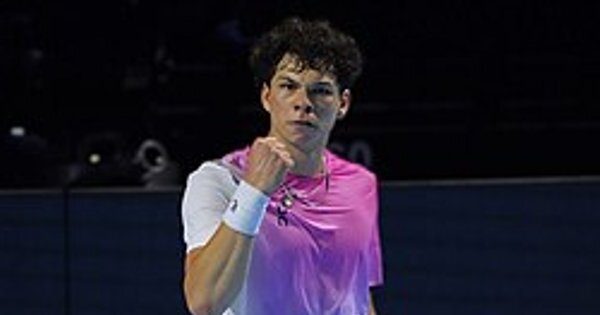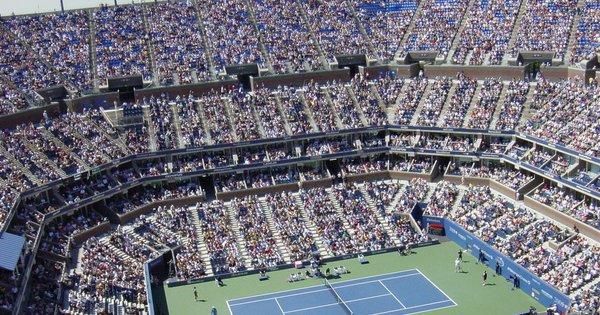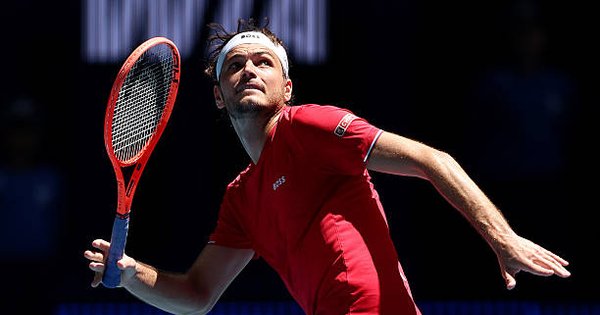
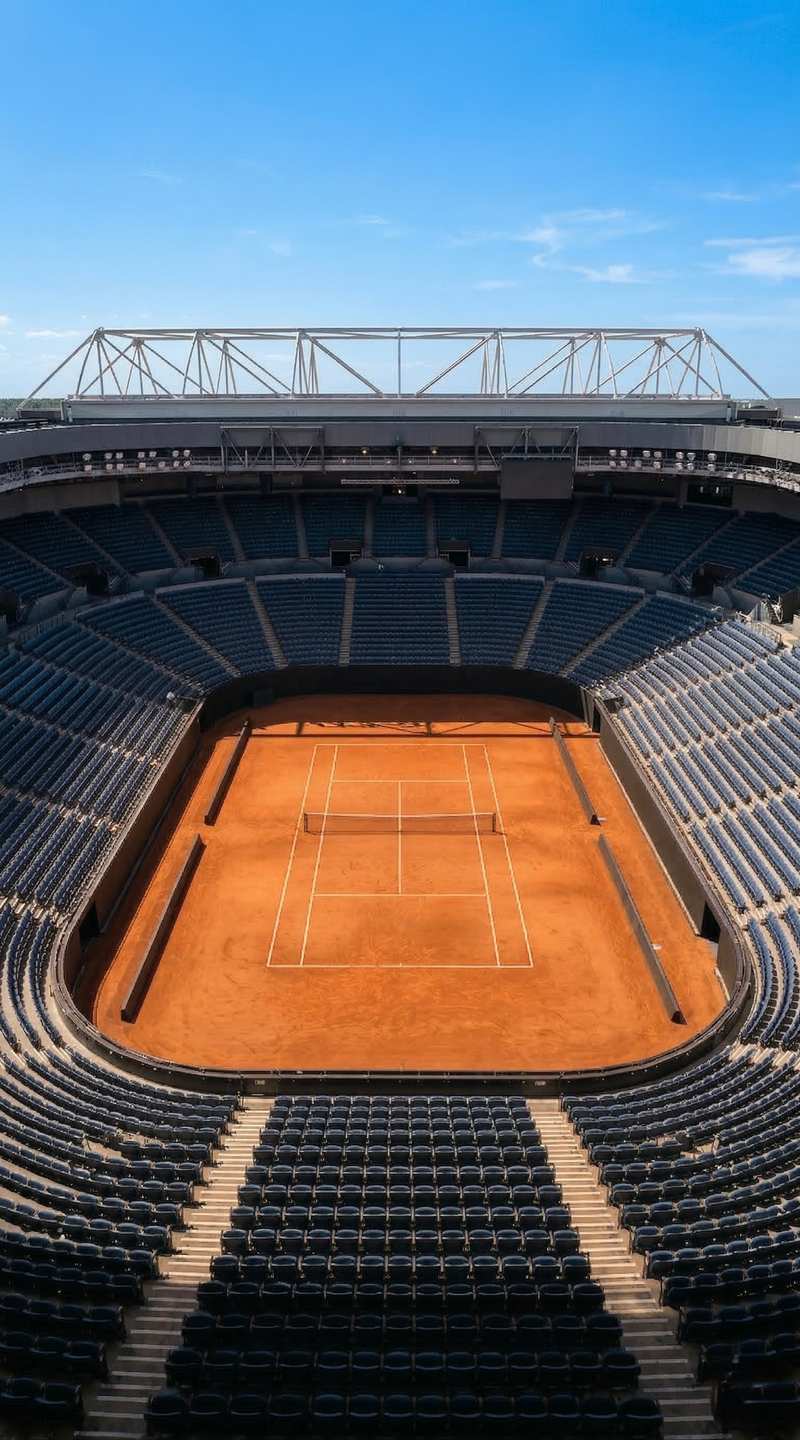
Il y a deux ans, Jakub Menšík jouait ses premiers matchs sur le circuit principal en rêvant d'un jour fouler les grands courts. Ce jeudi, il entre sur le Philippe-Chatrier pour une demi-finale de Roland-Garros face à Alexander Zverev. À 20 ans, le Tchèque de Prostějov est devenu le plus jeune demi-finaliste masculin en Grand Chelem de la saison.
Toutes nos analyses du jour, gratuitement
Créez votre compte gratuit pour accéder aux analyses du jour.
Le garçon ne manque pas de références. En mars 2025, il remportait le Masters 1000 de Miami en dominant Novak Djokovic en finale, 7-6(4), 7-6(4). Un match au sommet, sans un seul break, gagné sur la force de son service et de son sang-froid. À 19 ans, il devenait l'un des plus jeunes vainqueurs d'un Masters 1000, puis grimpait jusqu'au 12e rang mondial en mars 2026.
Son parcours parisien raconte la même histoire : celle d'un compétiteur qui ne lâche rien. En quart de finale, face à João Fonseca, le jeune Brésilien qui avait éliminé Djokovic, Menšík a converti sa septième balle de match pour s'imposer dans un duel de titans en herbe. « Le niveau était dingue de notre côté à tous les deux », a-t-il reconnu après le match.
Droitier d'1,96 m, Menšík possède un service dévastateur qui lui permet de dicter les échanges dès la première frappe. Son revers à deux mains, solide et régulier, compense un jeu de jambes encore perfectible sur terre battue. Son entraîneur Tomáš Josefus, qui l'accompagne depuis ses débuts, a fait venir son préparateur mental à Paris pour cette deuxième semaine décisive.
Le défi face à Zverev s'annonce colossal. L'Allemand, finaliste en 2024, possède l'expérience des grands rendez-vous et a balayé ses adversaires sans perdre un set depuis les huitièmes. Mais Menšík compte déjà dix victoires contre des joueurs du top 10, dont Jannik Sinner et Djokovic. La peur ne fait pas partie de son vocabulaire.
Le tennis tchèque n'avait plus produit un tel talent depuis Tomáš Berdych. Menšík, avec son mélange de puissance brute et de maturité précoce, semble taillé pour aller plus loin encore. Reste à savoir si ce sera dès aujourd'hui, sur la terre battue de Paris.