A week ago, Mirra Andreeva lifted the Suzanne-Lenglen Cup on Court Philippe-Chatrier. At 19, the Russian became the youngest Roland Garros champion since Monica Seles in 1992, sweeping aside Maja Chwalinska 6-3, 6-2 in the final. The triumph capped an extraordinary first half of the season: 36 wins against 9 losses, the best record on the WTA Tour.
Every analysis of the day, free
Create your free account to unlock today's analyses.
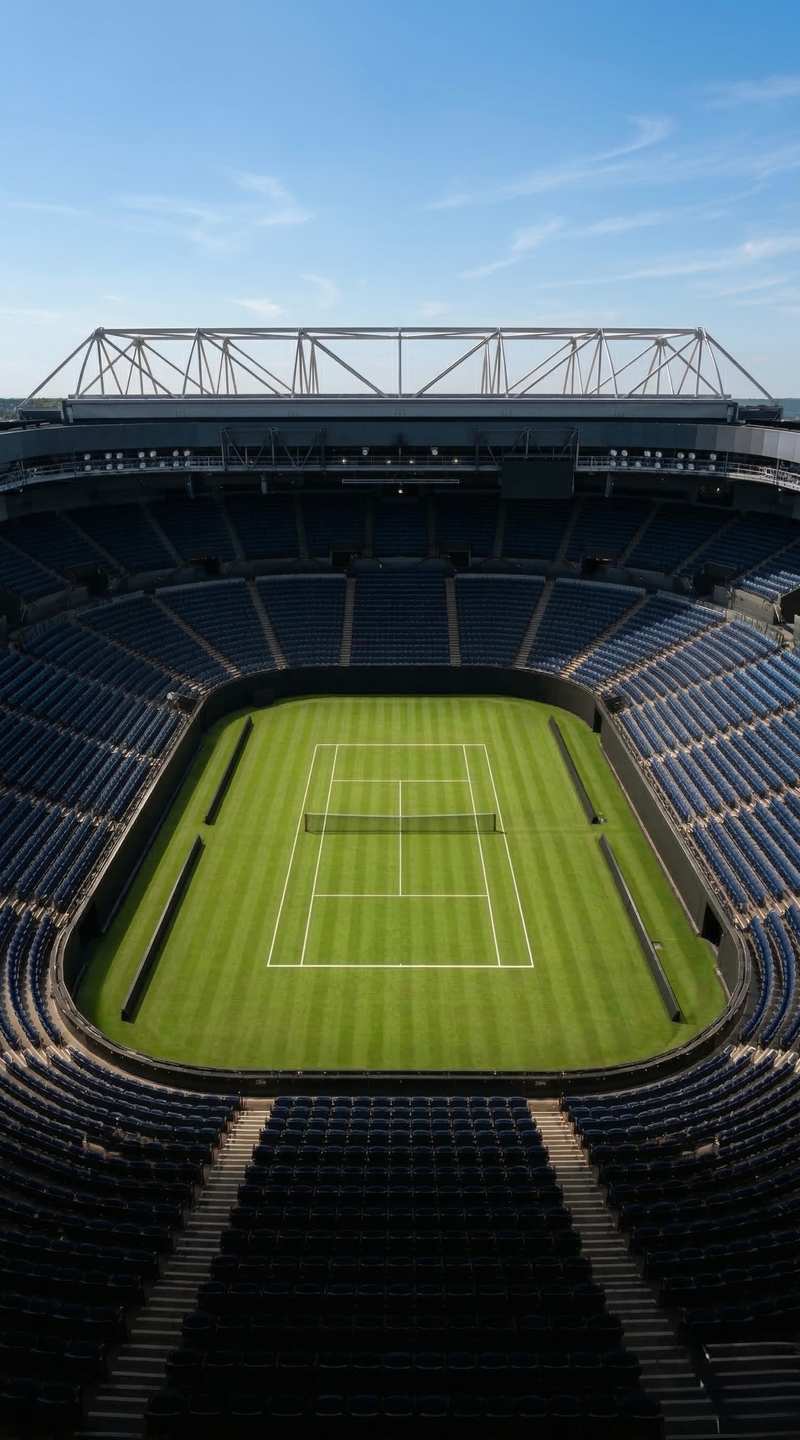
But tennis grants no respite. The grass season is already in full swing, and Andreeva must now prove her talent translates across all surfaces. The challenge is significant: in her career, the Russian has played just 17 matches on grass, winning 11 and losing 6.
That respectable ratio masks a more nuanced reality. Andreeva has never gone beyond the third round at Wimbledon, and her best grass result remains a quarterfinal at Eastbourne in 2025. The surface demands quick transition play, a punishing serve, and reliable volleying, all areas where the young Russian has room to grow.
What works in her favour is precisely the variety of her game. Andreeva does not simply overpower opponents: she constructs points, shifts tempo, and uses the drop shot like no one else on tour. These qualities, invaluable on clay, can also make a difference on grass, where the ability to wrong-foot opponents is a major asset.
Her schedule for the coming weeks is carefully calibrated. Andreeva is expected to compete at the Bad Homburg Open (June 22-28), a Wimbledon warm-up event on German grass, before heading to London for the third Grand Slam of the season. The goal is clear: build on the confidence gained in Paris without rushing on a surface she has yet to master.
At 19, Andreeva has already reached world number six. Her trajectory echoes those of the greats, from Seles to Sharapova to Hingis. The grass season will reveal whether the Roland Garros champion is ready to dominate on every surface, or whether the lawn remains territory yet to be conquered.