Chaque année, le même scénario se répète. Les premières journées de la saison sur gazon provoquent une hécatombe parmi les favorites. L'édition 2026 ne déroge pas à la règle, comme l'a démontré le carnage de s-Hertogenbosch où quatre têtes de série ont été balayées en l'espace de quelques heures.
Toutes nos analyses du jour, gratuitement
Créez votre compte gratuit pour accéder aux analyses du jour.
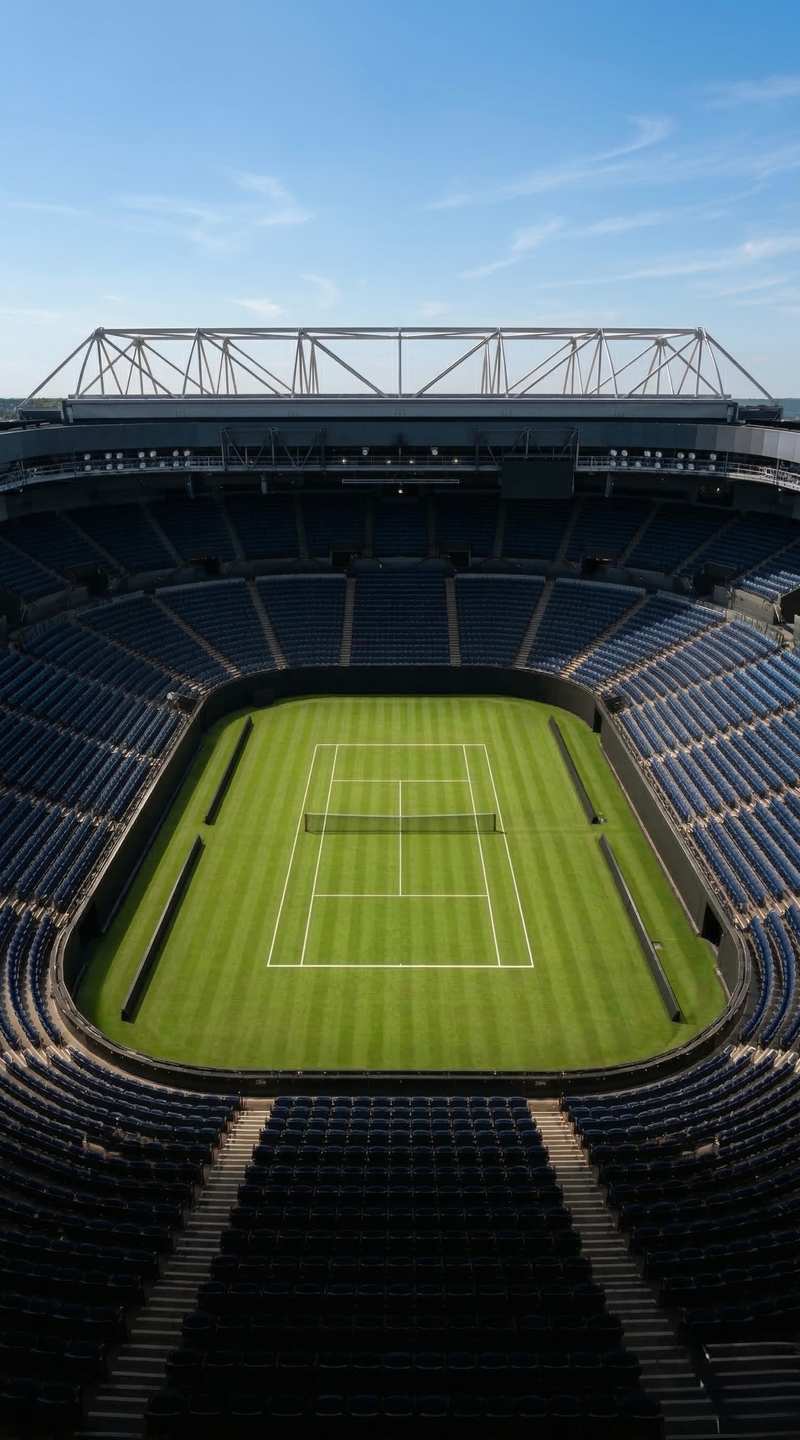
Le passage de la terre battue au gazon constitue la transition la plus brutale du calendrier tennistique. En l'espace de quelques jours, les joueuses doivent reprogrammer l'intégralité de leur jeu. Sur terre, le rebond est haut et prévisible, les échanges longs, le rythme dicté par la rotation de balle. Sur herbe, le rebond reste bas et irrégulier, le service devient l'arme dominante et les points se décident souvent en trois ou quatre frappes.
Paula Badosa illustre parfaitement ce piège. L'Espagnole avait fait l'impasse sur Roland-Garros pour se préparer au gazon, mais deux semaines d'entraînement ne suffisent pas à effacer des mois de réflexes terriens. Face à Daria Snigur, ses appuis étaient trop hauts, ses déplacements trop latéraux pour une surface qui récompense l'agressivité vers l'avant.
Le problème est aussi mental. Après l'intensité émotionnelle de Roland-Garros, les joueuses arrivent souvent vidées sur les premiers tournois de gazon. Ekaterina Alexandrova, Clara Tauson et Daria Kasatkina en ont fait les frais à s-Hertogenbosch. Aucune n'a semblé véritablement engagée dans ses déplacements et dans sa prise de risque au filet.
Les chiffres historiques confirment cette tendance. Les premières semaines de gazon affichent régulièrement les taux de surprise les plus élevés de la saison WTA. Les joueuses qui performent le mieux sur herbe sont souvent celles qui coupent avant Roland-Garros ou qui possèdent un jeu naturellement adapté : gros service, volée instinctive, capacité à prendre la balle tôt.
À l'inverse, les spécialistes de terre battue qui enchaînent directement vivent généralement une première semaine difficile avant de retrouver leurs marques à Eastbourne ou Birmingham, juste avant Wimbledon. Le gazon ne pardonne pas l'hésitation et les premières journées servent souvent de phase d'adaptation coûteuse.
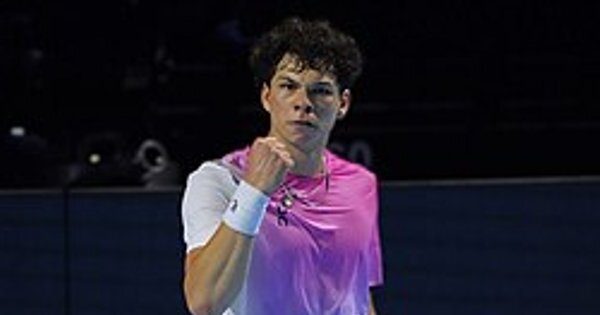
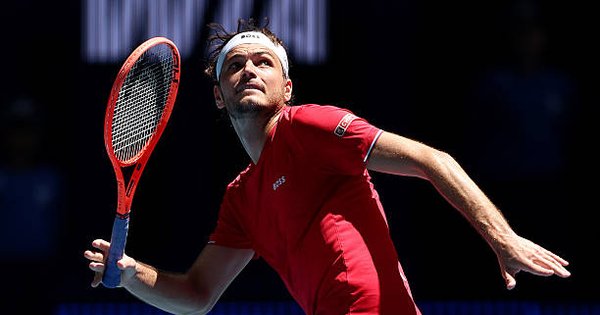
Le phénomène touche aussi le circuit ATP, où Stuttgart et s-Hertogenbosch réservent traditionnellement des surprises. Ben Shelton et Taylor Fritz, têtes de série à Stuttgart, possèdent un avantage naturel avec leur gros service et leur jeu offensif, mais les premiers tours restent imprévisibles.
Cette transition rappelle une vérité fondamentale du tennis moderne : la polyvalence est devenue la qualité la plus précieuse. Les joueuses capables de basculer rapidement d'une surface à l'autre dominent le classement annuel. Aryna Sabalenka, numéro 1 mondiale, excelle justement par sa capacité à adapter son jeu agressif à toutes les surfaces.