
SCORESHARK
AnalysesRankingsTournamentsResultsCompareNewsPricing
SCORESHARK

Live scores, advanced statistics and expert analysis for ATP and WTA tennis.

Follow us

Navigation

  • Analyses
  • Rankings
  • Tournaments
  • Results
  • Compare
  • Favorites

Resources

  • News
  • Pricing
  • FAQ
  • About
  • Install app

Legal

  • Legal notice
  • Terms of service
  • Privacy policy

Les jeux d'argent et de hasard peuvent être dangereux : pertes d'argent, conflits familiaux, addiction...

joueurs-info-service.fr (09-74-75-13-13) · anj.fr

Gouvernement français

ScoreShark provides sports analyses and statistical data for informational purposes only. No analysis constitutes betting advice or an incentive to gamble. ScoreShark is not an ANJ-licensed gaming operator.

SCORESHARK

© 2026 ScoreShark. All rights reserved.

HomeRankingsAnalysesPricing
NEWS
GrassClayTransitionWTAATPTactiqueSurfaceAnalyse

Clay to Grass: Why Favorites Struggle in the Annual Transition

The clay-to-grass transition produces upsets every year. The 2026 s-Hertogenbosch carnage is the latest proof.

ScoreSharkJune 9, 20262 min read
Clay to Grass: Why Favorites Struggle in the Annual Transition

Every year, the same pattern repeats. The opening days of the grass-court season produce a wave of upsets among the favorites. The 2026 edition is no exception, as s-Hertogenbosch's first round demonstrated with four seeds eliminated in a matter of hours.

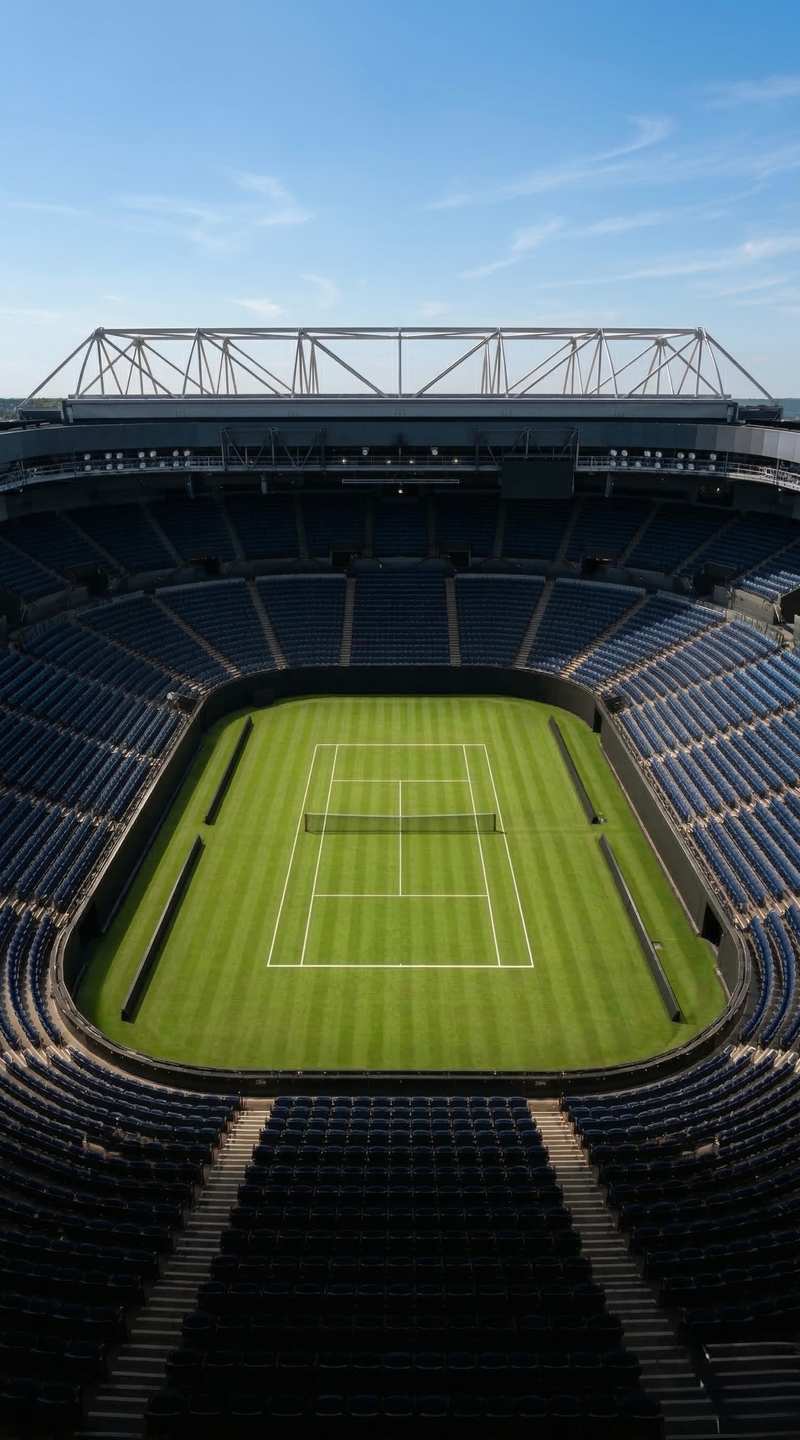
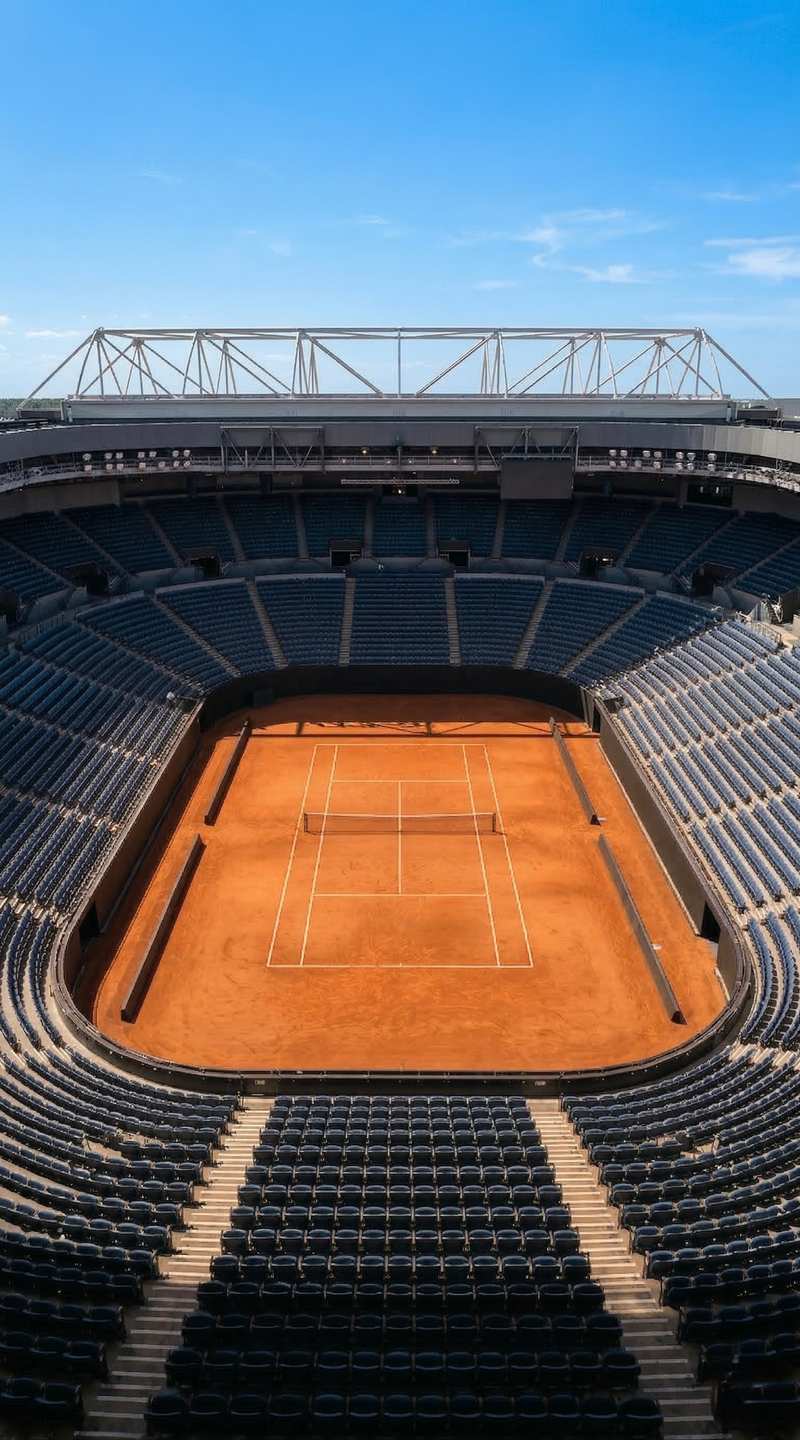
The clay-to-grass transition is the most brutal surface switch on the tennis calendar. Within days, players must reprogram their entire game. On clay, the bounce is high and predictable, rallies are long, and rhythm is dictated by spin. On grass, the bounce stays low and irregular, the serve becomes the dominant weapon, and points are often decided within three or four shots.

Paula Badosa perfectly illustrates this trap. The Spaniard skipped Roland-Garros to prepare for grass, yet two weeks of practice cannot erase months of clay-court reflexes. Against Daria Snigur, her stance was too high, her movement too lateral for a surface that rewards forward aggression.

The challenge is also mental. After the emotional intensity of Roland-Garros, players often arrive depleted at the first grass-court events. Ekaterina Alexandrova, Clara Tauson, and Daria Kasatkina all paid the price in s-Hertogenbosch, none appearing fully committed in their movement or net approaches.

Historical data confirms this trend. The first weeks on grass consistently produce the highest upset rates of the WTA season. Players who perform best on the surface are typically those who cut their clay season short or possess naturally adapted games: big serves, instinctive volleys, the ability to take the ball early.

The phenomenon also affects the ATP circuit, where Stuttgart and s-Hertogenbosch traditionally produce surprises. Ben Shelton and Taylor Fritz, seeded in Stuttgart, hold a natural advantage with their powerful serves and offensive games, but early rounds remain unpredictable.

This transition highlights a fundamental truth of modern tennis: versatility has become the most valuable quality. Players who can switch surfaces quickly dominate the year-end rankings. World No. 1 Aryna Sabalenka excels precisely because of her ability to adapt her aggressive game to every surface.
Don't miss today's analysis

Every day, members get one expert analysis for free. Creating an account takes a minute and costs nothing.

Create a free account
NEWS

See also:

Final Sunday on European clay: Collignon, Rublev and Mérida close the chapterRECAP
CollignonRublevMérida

Final Sunday on European clay: Collignon, Rublev and Mérida close the chapter

Collignon, Rublev and Mérida win Sunday's three ATP finals. European clay closes its doors before the North American hard-court swing.

July 19, 2026
1 min
Canadian Open loses four of top six seeds as Alcaraz joins Sinner, Djokovic, Draper on withdrawal listBREAKING
AlcarazSinnerDjokovic

Canadian Open loses four of top six seeds as Alcaraz joins Sinner, Djokovic, Draper on withdrawal list

Alcaraz joins Sinner, Djokovic and Draper on the Canadian Open withdrawal list. Four of the top six players will miss the Toronto Masters 1000.

July 19, 2026
1 min
ATP to trial more frequent ball changes on Challenger tourBREAKING
ATPChallengerBalles

ATP to trial more frequent ball changes on Challenger tour

The ATP will trial ball changes after 5 games then every 7 on the Challenger tour, compared to 7 then 9 currently, to reduce player injuries.

July 18, 2026
1 min